
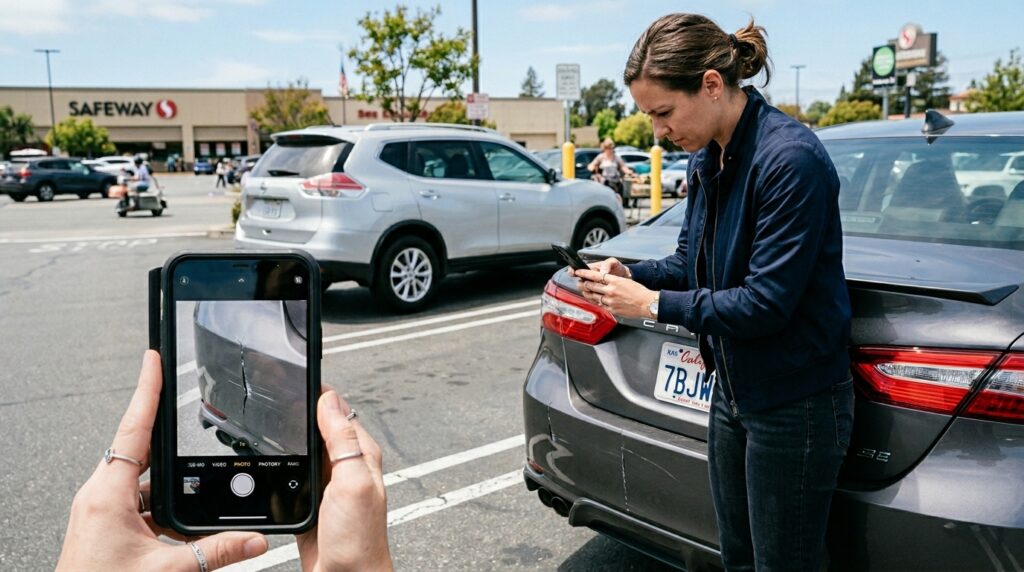
It was a Tuesday afternoon, and I was sitting at a complete stop in a grocery store parking lot lane, waiting for a pedestrian to cross. Suddenly, thump.
The car behind me had rolled right into my rear bumper. My heart skipped a beat, my adrenaline spiked, and for a second, I just sat there staring into my rearview mirror.
We both pulled into a parking space, got out, and looked at the damage. It was the definition of a minor accident: a cracked plastic bumper cover on my car, a scuffed license plate frame on theirs, and zero injuries. The other driver was incredibly apologetic and immediately whispered those famous, tempting words: “Hey, let’s not involve the insurance companies. I can just pay you out of pocket to fix this.”
In my younger days, I probably would have agreed just to avoid the administrative headache. But having dealt with the aftermath of shady parking lot handshakes before, I knew better. I politely insisted on trading official details. Sure enough, when I got an official repair estimate from a body shop two days later, the “minor plastic crack” turned out to involve hidden internal sensor damage to my rear radar brackets. The total bill came out to $1,800.
If I had handled that situation off the record, the other driver would have blocked my number the second I texted them a bill for nearly two grand.
Filing a claim for a minor accident doesn’t have to be a bureaucratic nightmare that ruins your monthly premium rates. If you execute the process systematically while you’re still standing at the scene, you can get your car repaired perfectly without the stress. Let’s walk through the exact, real-world playbook for filing a minor car insurance claim.
Step 1: The Golden Rule of the Scene (Document Everything)
The absolute moment you ensure everyone is physically okay, your smartphone becomes your most powerful legal asset. Do not move your car or let the other driver leave until you have captured raw, undeniable digital proof.
- Take Wide Shots First: Don’t just take close-up photos of the scratches. Step back 10 feet and take wide images showing the positioning of both vehicles, the lane markings, the street signs, and the weather conditions. This establishes context for the claims adjuster.
- Capture the VIN and License Plate: Take a crisp photo of the other car’s license plate and the VIN sticker (usually found on the driver’s side door jamb or the base of the windshield).
- The Insurance Card Capture: Take a clear photo of their physical or digital insurance card. Make sure the policy number and expiration dates are perfectly legible.
- Swap Contact Info Directly: Type their full name and phone number into your phone, and call them right then and there to make sure it actually rings.
Step 2: The Police Report Dilemma
For major highway pile-ups, calling 911 is an automatic reaction. But for a minor fender bender on a local street, it can feel like overkill. In fact, if you call the police for a scratch in a busy metro area, dispatch might flat-out tell you they aren’t sending an officer to the scene if there are no injuries.
However, having an official report is incredibly valuable. If the police won’t come out, look up the nearest local police precinct and file an Over-the-Counter Citizen Counter Report within 24 hours.
Why do this for a minor dent? Because people change their stories. The driver who was incredibly apologetic at the scene might tell their insurance company the next day that you backed into them. A formal police report or an official counter filing freezes the timeline and prevents the other party from completely rewriting history.
Step 3: Deciding Whose Insurance to File Through
You have two distinct paths when initiating the official claim pipeline:
Option A: Filing a Third-Party Claim (Through Their Insurance)
If the other driver was clearly at fault (like rear-ending you while you were stopped), you can contact their insurance provider directly to open a claim.
- The Pro: You don’t have to pay your own out-of-pocket comprehensive or collision deductible. They will cover the repair costs and pay for your temporary rental car directly.
- The Con: Third-party carriers love to drag their feet. Since you aren’t their customer, they have zero incentive to process your paperwork quickly. They will often wait weeks to inspect the vehicle until they get a formal recorded statement from their own driver.
Option B: Filing a First-Party Claim (Through Your Insurance)
If you need your vehicle fixed instantly, or if the other carrier is dodging your calls, you can open a claim with your own provider via their mobile app (like GEICO, Progressive, State Farm, or Allstate).
- The Pro: Your insurance company will move incredibly fast to take care of you. They will approve the repair shop networks and get the process moving within days.
- The Con: You have to front your collision deductible (e.g., $500 or $1,000) out of pocket to the body shop when the repairs are finished. Your company will then go through a legal process called Subrogation to sue the other driver’s insurance company to get their money back. Once they recover the funds, they will mail you a check to refund your deductible, but this cycle can take several months.
Step 4: Navigating the Photo-Estimation App Interface
In 2026, almost every major insurance carrier utilizes an automated photo estimation system to calculate initial repair payouts. Instead of waiting for a physical claims adjuster to visit your house, the company will text you a secure link to download their app or use an in-browser tool to upload photos of the damage.
Here is a major lesson I learned: The initial automated digital estimate is almost always a lowball number.
The software’s visual AI can only calculate the surface damage it can physically see in your photos. It cannot see bent structural bars, broken mounting clips, or misaligned blind-spot radar systems hidden underneath your bumper cover.
Do not freak out if the app sends you an initial estimate for $450 when you know the fix is much more expensive. Accept the initial payment check—it does not close your claim. Treat that initial payout as a starting deposit.
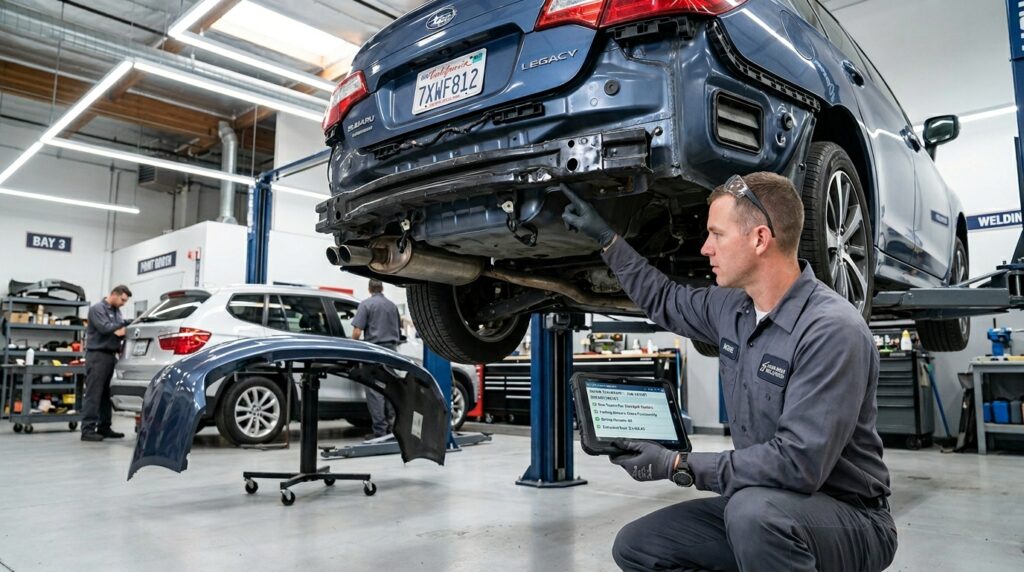
Step 5: The Body Shop “Supplement” Strategy
Take that initial estimate sheet from the insurance company and hand it directly to a reputable, professional collision repair shop of your choice. You have the absolute legal right to choose whatever shop you want; do not let an insurance company force you to use their budget partner shops if you prefer an independent business.
Tell the shop manager: “Here is the insurance company’s initial photo estimate. Please tear down the bumper, look for hidden damage, and submit a Supplement Claim for the difference.”
The body shop mechanics do this every single day. They will pull off the damaged exterior panels, take photos of the hidden internal cracks, and upload a supplemental invoice directly to your insurance adjuster’s portal. The insurance company will review the new mechanical proof and approve the extra payout directly to the shop, ensuring your car is returned to factory-safe conditions without you paying a dime over your deductible.
Critical Mistakes to Avoid
- Admitting Fault at the Scene: Even if you feel guilty or think you might have contributed to the incident, do not say “I’m so sorry, I didn’t see you” or “That was my fault.” Keep your conversation purely administrative. Shocks and stress can cloud your immediate judgment, and the mechanical data or camera footage might later prove the other driver was actually breaking a traffic pattern rule. Let the insurance adjusters determine fault based on raw evidence.
- Waiting Too Long to File: Most insurance policies contain an explicit clause requiring you to report any accident within a “reasonable timeframe” (usually a few days to a week). If you wait a month to file because you were trying to negotiate a cash deal with the other driver out of pocket, and that deal falls apart, your insurance carrier can legally deny the claim due to late reporting.
Final Thoughts
Dealing with a vehicle accident is incredibly annoying, even when it’s just a minor scratch or a dinged fender. But by keeping your cool, documenting every detail on your phone right at the scene, and understanding how the body shop supplement system works, you can protect both your physical vehicle and your financial security. Don’t fall for under-the-table cash offers, rely on the system designed to protect your investments, and get your car back on the road safely.
Quick Claims FAQs
Will my insurance rate go up if I file a minor claim that wasn’t my fault?
If you live in a state with strict driver protections (like California), insurance companies are legally prohibited from raising your premium if you are determined to be less than 50% at fault for an accident. In other states, a non-at-fault claim might cause a tiny adjustment to a general “claims-free” discount, but it is substantially less costly than paying for an expensive modern repair out of pocket.
What happens if the other driver doesn’t have active insurance?
If you exchange details and discover the other driver’s policy has lapsed or they are completely uninsured, you will need to file a claim through your own insurance provider under your Uninsured Motorist Property Damage (UMPD) or Collision coverage. UMPD deductibles are typically capped very low by state laws (often around $250), ensuring you aren’t completely penalized for another driver’s illegal behavior.