
A little over a year ago, I was running logistics for a high-value consumer electronics shipment moving out of a fulfillment hub near Dallas, Texas. It was a standard Friday afternoon run—fifty pallets of premium brand smartwatches and tablets loaded into a clean, locked 53-foot dry van. The driver was experienced, the route was planned down to the mile, and we had our standard cargo liability policy active.
Around 2:00 AM on Saturday, the driver pulled into a well-lit, busy truck stop off I-20 to take a mandatory rest break. He locked the tractor, grabbed a bite to eat, and climbed into the sleeper berth.
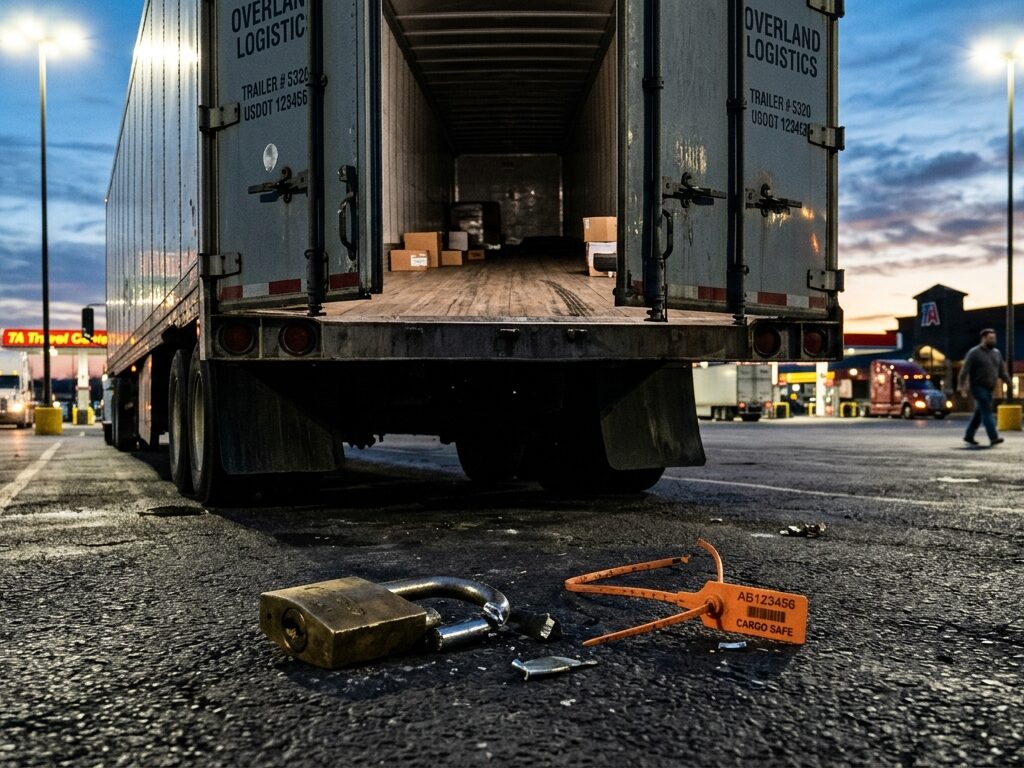
When he woke up at 6:30 AM, something felt instantly wrong. He jumped out of the cab, walked to the back of the trailer, and his stomach dropped. The heavy steel padlocks had been cleanly cut with a hydraulic bolt cutter, the security seal was snapped on the asphalt, and twenty-five pallets of electronics—worth roughly $450,000—were gone.
My phone rang at 7:00 AM. That morning was a brutal, exhausting crash course in how sophisticated modern cargo theft rings have become.
But the real gut punch came on Monday when our insurance adjuster pointed out a tiny, hidden clause in our standard motor truck cargo policy. Because the driver had parked at an unapproved, non-fenced truck stop for more than two hours, the policy had a strict “unattended vehicle exclusion.” The insurance carrier denied the entire $450,000 claim flat out.
That single weekend nearly broke our logistics operation. It forced us to rethink our entire risk management strategy.
If you run a freight brokerage, a trucking fleet, or an independent owner-operator setup right now, you need to know that cargo theft is no longer just about guys stealing a rusty trailer out of a dark alley. It has evolved into a highly organized, tech-driven criminal enterprise. Let’s look at what Cargo Theft Insurance actually is, how the landscape has drastically shifted, and how to protect your loads without getting caught in a coverage trap.
The Modern Hijack: Strategic Theft and Cyber Scams
When most people think of cargo theft, they picture physical break-ins at truck stops or warehouse yards. While that still happens every night, the fastest-growing threat in the transportation market is Strategic Cargo Theft.
Organized crime rings are no longer just cutting padlocks; they are using keyboards and identity theft.
Identity Theft and Carrier Cloning
Criminals will log onto popular public load boards using stolen or completely spoofed credentials of legitimate, high-safety-rated trucking companies. They bid on a high-value load, accept the rate confirmation from a freight broker, and send a driver to pick up the freight. The shipper loads the trailer, the driver rolls out of the yard, and the freight vanishes completely. The real trucking company has no idea their identity was stolen until the broker calls them asking why the load is three days late.
Fictitious Pickups
Thieves track high-volume distribution centers and create fake corporate email addresses that look identical to a major carrier’s domain (e.g., changing an “m” to an “rn” in a company name). They arrive at the shipping dock an hour before the real scheduled driver, present fake paperwork, take the load, and disappear.
Why Standard Motor Truck Cargo Insurance Isn’t Enough
Many small fleet owners and freight brokers think, “I already carry a standard $100,000 Motor Truck Cargo policy, so I am completely safe.”
This is a massive misconception. A standard cargo policy is littered with strict exclusions designed to protect the insurance carrier, not your business. If your freight is stolen via a cyber scam or a strategic identity theft scheme, a basic cargo policy will almost always deny the claim because you willingly handed over the freight to the thief.
To protect against modern threats, you need specialized Cargo Theft Insurance endorsements or standalone policies that explicitly cover fraud, deception, and strategic scams.
Critical Exclusions in Your Policy You Must Check Today
Grab your current insurance policy document right now, open the PDF, and use Ctrl+F to look for these three incredibly dangerous clauses.
1. The Deceptive Delivery / Fraud Exclusion
This is the clause that destroys companies hit by carrier cloning scams. If a policy contains a strict deception exclusion, the insurer will refuse to pay out if you mistakenly broker a load to a fraudulent carrier or if a shipper hands a load to a fictitious driver. You must ensure your policy includes a Deceptive Title or Fraudulent Pickup Endorsement.
2. The Unattended Vehicle Clause
This clause states that if a truck is left parked and unattended without a driver inside the cab for a specific window of time (often as little as one or two hours), the theft coverage drops to zero unless the vehicle is parked inside a secure, continuously monitored, fenced facility. If your driver pulls over to sleep or eat at a standard highway rest stop and the trailer is hit, you are completely uncovered.
3. The Target Commodities Limitation
Insurance underwriters maintain a specific list of “target commodities”—items that are incredibly easy for thieves to flip on the black market. This list typically includes electronics, high-end apparel, alcohol, cosmetics, and copper wiring. If you haul these items without explicitly notifying your carrier and paying a premium surcharge, your coverage for that specific load might be capped at a fraction of its true value (e.g., a $10,000 cap on a $200,000 load).
Step-by-Step Playbook to Secure Your Freight and Lower Your Premiums
You can actively manage your risk and force your insurance provider to give you better rates by layering simple, tech-driven security protocols over your daily logistics workflow.
Step 1: Implement Stringent Carrier Verification Software
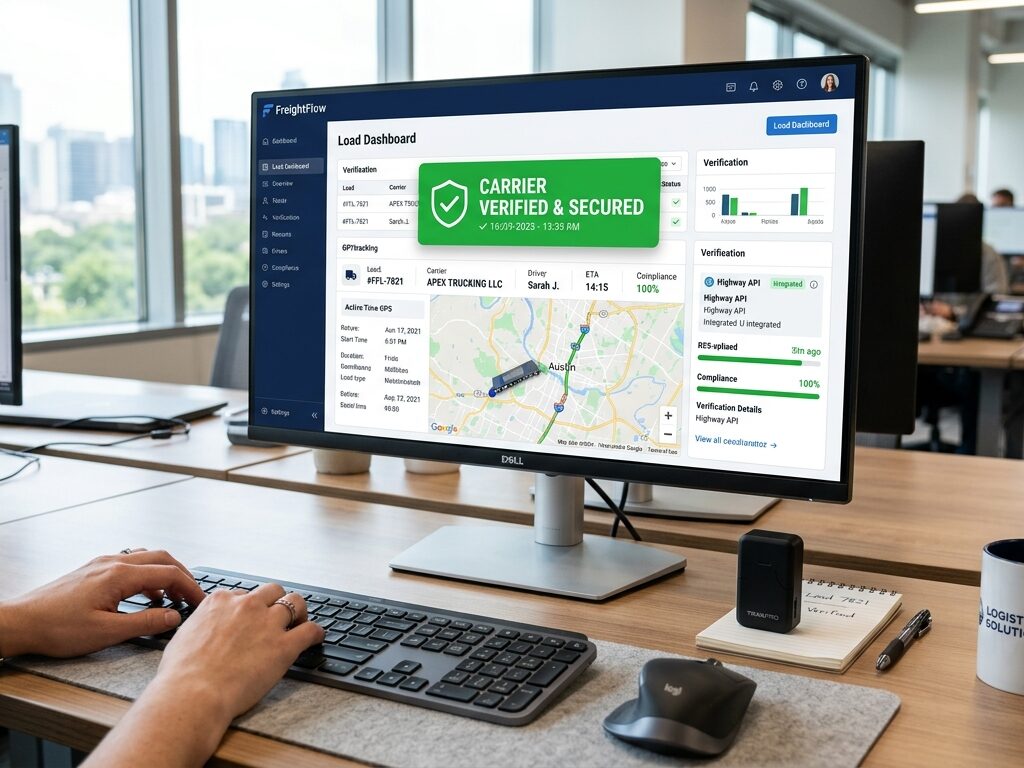
If you are a freight broker, do not rely on a simple phone call or email signature to vet your carriers. Use dedicated identity verification platforms like Highway, Carrier Assure, or RMIS. These tools track real-time behavioral data, checking if a carrier’s IP address matches their registered physical terminal location and flagging newly registered domains that are trying to clone legitimate businesses.
Step 2: Deploy Hidden Covert GPS Trackers
Do not rely solely on the factory GPS tracking integrated into the truck tractor or the driver’s ELD system. Sophisticated cargo thieves use high-powered GPS jammers the moment they hook up a stolen trailer.
Instead, buy small, battery-powered covert trackers (like those from Tive or Moove) and hide them inside the actual product packaging or between the pallets of high-value freight. These devices use blended cellular, Wi-Fi, and satellite signals to stream real-time location data even if the main truck trailer tracking is completely dark.
Step 3: Enforce a Strict “No-Stop” Rule for the First 200 Miles
Cargo theft rings frequently stake out major distribution hubs and tail delivery trucks as they pull out of the gate, waiting for the driver to make a quick stop at the nearest highway fuel station. Implement a mandatory operational policy requiring your drivers to travel at least 200 miles or 4 hours away from the origin facility before making their very first stop. This breaks the tail of local surveillance teams.
Cargo Value vs. Insurance Protection Matrix
Here is how you should align your cargo theft coverage limits based on your operation’s freight profile in 2026:
| Freight Category | Average Load Value | Recommended Insurance Structure | Essential Endorsement Needed |
| Low-Risk Bulk Goods (Lumber, Paper, Scrap Metal) | $30,000 – $60,000 | Standard Motor Truck Cargo ($100k Limit) | Basic Theft Protection |
| Mid-Risk Consumer Goods (Refrigerated Food, Auto Parts) | $80,000 – $150,000 | Mid-Tier Cargo + Extended Theft ($250k Limit) | Unattended Vehicle Waiver |
| High-Value/Target Items (Electronics, Pharma, Designer Apparel) | $250,000 – $1M+ | Specialized High-Value Cargo Policy | Deceptive Delivery & Fictitious Pickup Endorsement |
Common Mistakes Freight Companies Make
- Failing to Verify the Driver at the Loading Dock: Shippers are often in such a rush to hit their daily volume numbers that they don’t audit the physical driver walking into the shipping office. Always mandate that the warehouse staff take a physical photo of the driver’s CDL license, cross-reference it with the rate confirmation sheet, and write the tractor and trailer license plate numbers down manually before breaking the warehouse seal.
- Waiting to Report a Missing Load: If a driver goes completely dark or misses a mandatory check-in window, do not wait 24 hours to see if they just lost cell service. The first 2 to 4 hours of a cargo theft incident are critical. After that window, the thieves have usually moved the trailer into a cross-dock facility, stripped the tracking units, and distributed the products onto different local delivery box trucks, making recovery almost impossible.
Final Thoughts
The freight world is moving incredibly fast, and operating margins are tighter than ever. Losing a single high-value trailer to a sophisticated strategic theft ring or an unexpected truck stop break-in isn’t just an administrative annoyance—it can end your business overnight.
Take a close look at your insurance framework this week. Talk directly with your broker, demand clarity on your unattended vehicle and fraud endorsements, and invest in covert tracking tech. Once your cargo theft defenses are locked down tight, you can send your drivers out onto the highway knowing your cash flow and your reputation are completely bulletproof.