

When I left my corporate desk job to go full-time independent, I remember the exact moment my HR department handed me my off-boarding paperwork. Tucked inside was a COBRA enrollment form. I glanced at the premium to keep my health coverage active for just myself: $850 a month.
My jaw hit the floor. When you are a standard employee, you only see your small, subsidized deduction on your bi-weekly pay stub. You don’t realize the massive financial heavy lifting your employer is doing behind the scenes.
Suddenly, I was staring down a nearly $10,000 annual bill just to ensure a major medical emergency wouldn’t bankrupt my new business setup.
That first year, I made a massive mistake. I panicked, hopped online, typed my phone number into a random “cheap health insurance” landing page, and spent the next three weeks dodging non-stop automated calls from sketchy brokers trying to sell me junk, non-compliant indemnity plans. It was an absolute nightmare.
Since then, I’ve spent years navigating the self-employed health insurance maze. I’ve learned how the system works, where the hidden tax breaks are, and how to source legitimate, high-quality coverage without draining your business checking account.
If you are a freelancer, independent contractor, or solo agency founder trying to keep your family healthy and your overhead low, let’s look at the actual, real-world roadmap to finding affordable health insurance.
The Big Four Paths to Sourcing Self-Employed Coverage
You don’t have an HR department anymore, which means you have to build your own benefits package. Depending on your income tier, business structure, and location, your search should focus on these four distinct pathways.
1. The Affordable Care Act (ACA) Marketplace: Healthcare.gov
This is the official state or federal health insurance exchange, and it is the absolute baseline starting point for any self-employed individual.
- The Big Myth: A lot of freelancers assume the Marketplace is too expensive. But as a self-employed professional, your premium is dictated entirely by your Modified Adjusted Gross Income (MAGI)—which is your income after you write off your business expenses.
- The Subsidy Edge: If your net income fluctuates or drops within specific brackets, you qualify for Premium Tax Credits. These subsidies act like instant discounts applied directly to your monthly premium, often knocking hundreds of dollars off Silver or Bronze-tier plans.
2. High-Deductible Health Plans (HDHP) + Health Savings Accounts (HSA)
If you are generally young, healthy, and rarely visit the doctor outside of routine preventative checkups, this is the ultimate wealth-building tech strategy for entrepreneurs.
- How it works: You buy a plan with a lower monthly premium but a higher upfront deductible (meaning you pay for basic prescriptions or minor visits out of pocket until you hit your threshold).
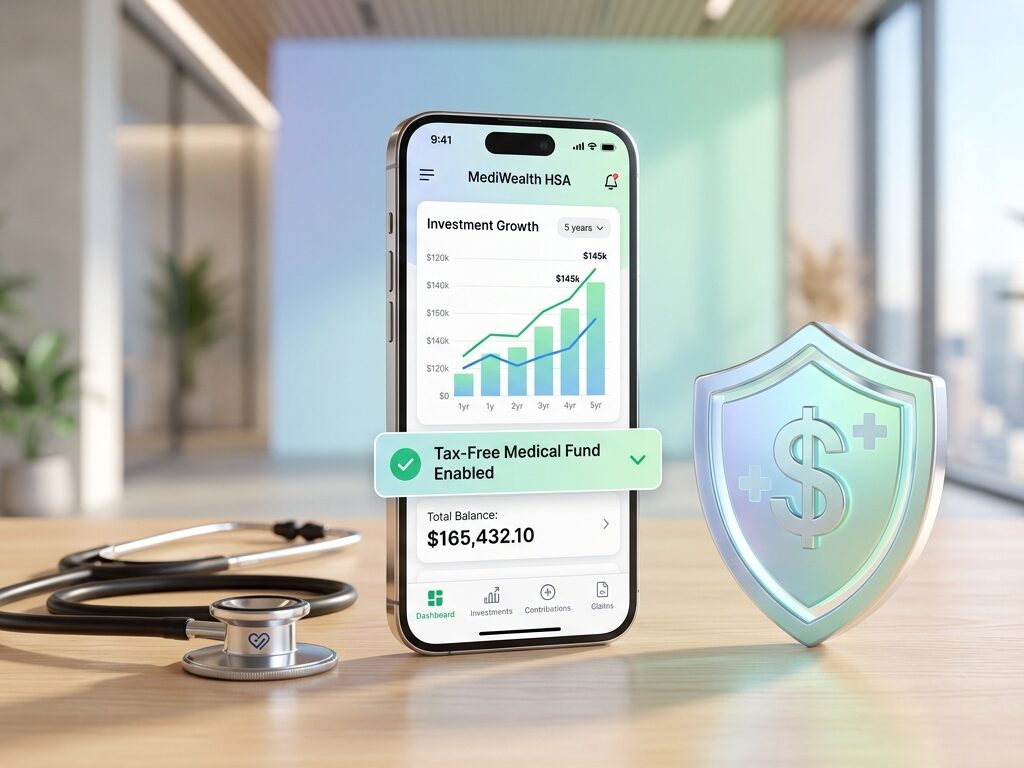
- The Secret Weapon: Having an HDHP grants you the legal right to open a Health Savings Account (HSA) using investment platforms like Fidelity or Lively. Money you deposit into an HSA is 100% tax-deductible, grows completely tax-free, and can be withdrawn entirely tax-free to pay for dental, vision, prescriptions, or medical bills. It is a triple-tax-advantaged safety net.
3. Professional Employer Organizations (PEO) and Association Health Plans
If you miss the low group rates of the corporate world, you can essentially buy your way back into one through collective bargaining.
- Industry Associations: Organizations like the Freelancers Union, local Chambers of Commerce, or trade-specific groups (like National Association for the Self-Employed – NASE) bundle thousands of solo entrepreneurs together to negotiate large-group health plans with carriers like Anthem or Blue Cross.
- Co-Employment Platforms: If your business is scaling and you utilize platforms like Justworks, Gusto, or Rippling to run your payroll, you can opt into their PEO frameworks. They technically act as a co-employer for your business, allowing you to access premium, Fortune-500 level enterprise health insurance rates even if you only have a team of two or three people.
4. Direct-to-Carrier Private Plans
If your business net revenue is highly successful and you do not qualify for any ACA marketplace subsidies, it is worth using tools like eHealthInsurance or contacting a local independent broker to look at off-exchange private plans. Carriers like UnitedHealthcare, Cigna, and Humana often offer direct-enrollment plans that feature different network designs or regional perks not listed on government web portals.
Step-by-Step Guide to Evaluating and Buying Your Plan
Don’t just pick the cheapest plan you see on a dashboard screen. Follow this systematic checklist to ensure you don’t get caught with a useless policy.
Step 1: Calculate Your True Net Income (MAGI)
Do not write down your gross sales revenue on your insurance application. Look at your Schedule C tax forms from last year. Deduct your software subscriptions, hosting fees, advertising costs, travel expenses, and office overhead. Your health insurance pricing is calculated off your net profit, not your top-line sales. Lowering your reported net income legally via business write-offs directly increases your government insurance subsidy size.
Step 2: Choose the Right Plan Metal Tier
Marketplace plans are broken down into four distinct categories based on how you split costs with the insurer:
| Metal Tier | Monthly Premium Cost | Out-of-Pocket Cost at Doctor | Best Suited For |
| Bronze | Lowest | Highest | Healthy individuals who just want emergency catastrophic protection. |
| Silver | Moderate | Moderate | The Sweet Spot. The only tier eligible for extra “Cost-Sharing Reductions” subsidies. |
| Gold | High | Low | If you have chronic medical conditions, regular prescriptions, or therapy needs. |
| Platinum | Highest | Lowest | High medical usage profiles with zero tolerance for unpredictable bills. |
Step 3: Audit the Provider Networks (HMO vs. PPO)
If you have a trusted primary care doctor or a specific specialist you must see, do not click “buy” until you have checked the plan’s network type.
- HMO (Health Maintenance Organization): Cheaper premiums, but you are strictly locked into their local network of doctors. You must get a formal referral from your primary care physician just to see a specialist.
- PPO (Preferred Provider Organization): Higher premiums, but maximum flexibility. You can see out-of-network doctors and bypass the referral process entirely. For freelancers who travel or work remotely across state lines, a PPO is almost always worth the extra cost.
The Self-Employed Health Insurance Tax Deduction
Here is a massive financial silver lining that many new business owners completely overlook at the end of the year: The Self-Employed Health Insurance Tax Deduction.
If your business entity reports a net profit for the year, you can legally deduct 100% of your health, dental, and long-term care insurance premiums directly on line 16 of Schedule 1 (Form 1040).
This is an above-the-line deduction, meaning you do not need to itemize your deductions to claim it. It lowers your Adjusted Gross Income dollar-for-dollar, cutting your federal income tax liability significantly. It essentially treats your health insurance like a pre-tax business expense, mimicking the exact tax advantages enjoyed by massive corporate operations.
Costly Mistakes to Avoid
- Falling for “Health Sharing Ministries” (Short-Term Alternative Plans): When you search for cheap options, you will inevitably see ads for faith-based health-sharing networks or non-ACA compliant short-term plans. They look attractive because they charge dirt-cheap premiums. However, these programs are not real insurance contracts. They are legally exempt from ACA regulations, meaning they can—and regularly do—refuse to cover pre-existing conditions, deny claims for major hospital stays, or completely cap your lifetime payout limits. Avoid them at all costs.
- Missing the Open Enrollment Window: Unless you experience a Qualifying Life Event (like losing your corporate job, getting married, having a baby, or moving to a new state), you can only sign up for a legitimate health plan during the standard Open Enrollment Period, which typically runs from November 1st to January 15th each year. If you miss this window, you could be left completely uninsured for an entire calendar year.
Final Thoughts
Stepping away from the safety net of a corporate job to build an independent business takes serious guts. But protecting your physical health shouldn’t require risking your entire financial future.
Take a weekend to accurately map out your net business revenue projections, bypass the spammy lead-generation sites, and head straight to Healthcare.gov or an established PEO network tool. Run the numbers through an HSA-compatible framework, maximize your above-the-line tax deductions, and lock down a legitimate shield. Once your health coverage is secured on your own terms, you can focus 100% of your creative energy on growing your brand, scaling your revenue, and enjoying the true freedom of being your own boss.