
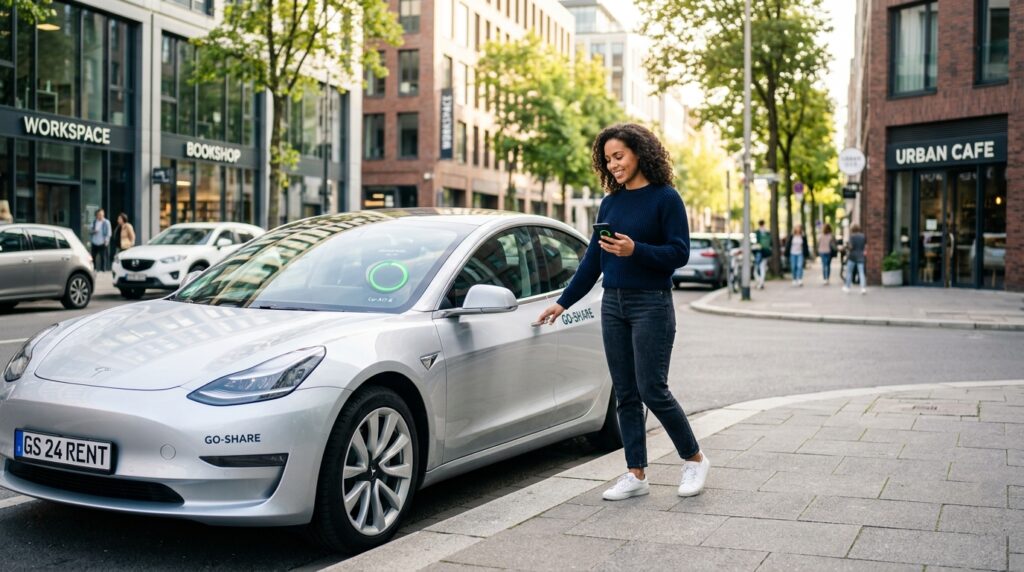
A couple of years ago, I decided to run an experiment. I was living in a walkable downtown area, working entirely from my laptop, and realized my car had done nothing but collect dust and tree sap in my apartment parking garage for three straight months. Between the vehicle depreciation, registration fees, and a standard comprehensive auto policy, I was bleeding money.
So, I sold the car. The freedom was amazing—until about a month later when I needed to rent a SUV to haul some bulky home studio gear from a local warehouse, and later when I had to borrow a friend’s truck to move some equipment.
When I sat at the rental counter, the agent hit me with the usual aggressive sales pitch for their daily liability damage waiver, which was going to add an extra $15 a day to my bill. Even worse, when I called an insurance broker to ask about my options, he told me that letting my insurance history lapse completely while I didn’t own a vehicle would mark me as a “high-risk driver” due to a coverage gap when I eventually bought a car again.
That was my introduction to Non-Owner Car Insurance.
It’s one of the most misunderstood financial products in the auto world. Most people don’t even know it exists until they find themselves in a niche legal or lifestyle situation. Let’s break down exactly what non-owner car insurance is, how much it realistically costs, and who actually needs to buy a policy.
What Exactly is Non-Owner Car Insurance?
Simply put, a non-owner car insurance policy gives you liability coverage when you are driving a vehicle that you do not own.
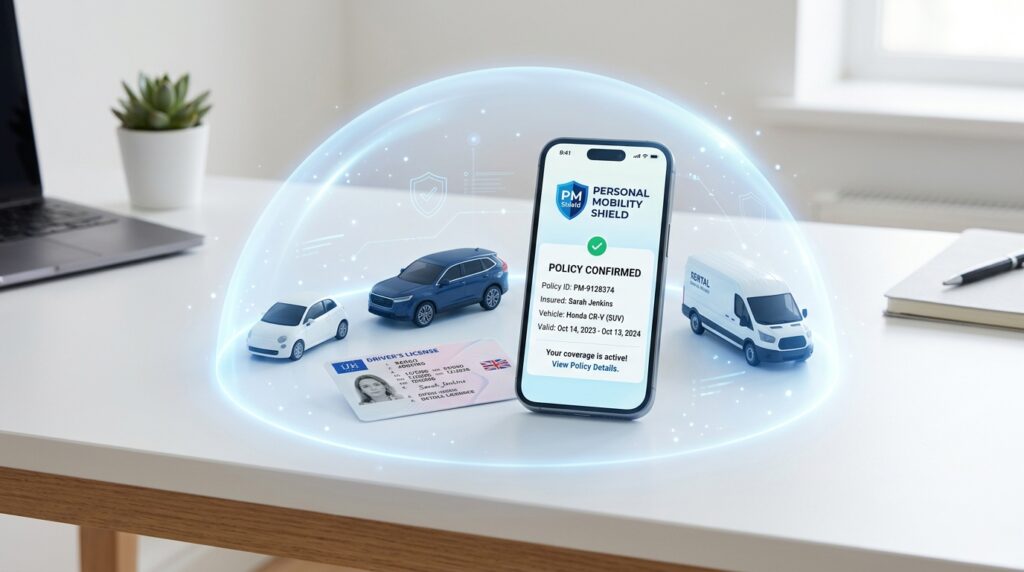
It is vital to understand that this policy is tied to you as a human being, not to a specific vehicle vin number. Because there is no physical car listed on the policy document, it does not include comprehensive or collision coverage. It won’t pay to fix scratches, dents, or a cracked windshield on the car you are driving.
Instead, it functions as a secondary safety net. If you crash a friend’s car or a rental vehicle and cause an accident, the owner’s primary car insurance pays out first. If the damages exceed their policy limits, your non-owner policy steps in to cover the remaining third-party bodily injury and property damage expenses so your personal savings don’t get completely wiped out in a lawsuit.
Who Actually Needs a Non-Owner Policy?
You do not need this insurance if you own a vehicle or if you live in a household where you regularly drive a spouse’s or parent’s car (you should just be added to their primary household policy instead). However, you are a prime candidate if you fall into one of these four distinct buckets:
1. You Regularly Rent Cars
If you travel frequently for business or rely entirely on rental apps like Zipcar, Turo, or traditional agencies like Hertz and Enterprise, buying the counter liability insurance every single time is a massive money pit. A non-owner policy satisfies your legal liability requirements across all rentals for a flat, much cheaper rate.
2. You Frequently Borrow Cars from Friends
If you don’t own a vehicle but rely on borrowing a truck or a commuter car from a neighbor or friend to run weekly errands, you are risking their financial security. If you cause a catastrophic accident while driving their vehicle, their policy could get maxed out quickly. Having your own non-owner framework provides a massive extra layer of liability protection.
3. You Need to Maintain Continuous Coverage (Avoid the “Gap”)
Insurance companies hate gaps in coverage history. If you cancel your auto insurance completely for 6 to 12 months because you are living abroad, using public transit, or taking a break from owning a car, underwriters will treat you like a brand-new, high-risk driver when you shop for a standard policy later. Your future rates can skyrocket by 20% to 30%. Carrying a cheap non-owner policy keeps your insurance history active and seamless.
4. You Face a Court-Mandated SR-22/FR-44 Filing
If your license was suspended due to a DUI conviction, reckless driving, or getting caught driving without insurance, the state DMV will often demand an SR-22 or FR-44 proof of financial responsibility form to reinstate your driving privileges. If you don’t own a car, you cannot buy a standard policy to attach the SR-22 to. A non-owner policy is the cheapest and cleanest way to get the insurance company to file that paperwork with the state so you can legally get your license back.
The Cost Reality: How Much Does It Actually Cost?
Because you aren’t insuring a complex piece of physical machinery that can get stolen or totaled, non-owner car insurance is significantly cheaper than a traditional auto policy. On average, you can expect to pay about $200 to $700 per year (which translates to roughly $20 to $65 per month) for state minimum liability thresholds.
Your actual rate will fluctuate based on your geographic location, age, and past driving record. Here is how the monthly averages shake out across top national carriers for a driver with a clean profile:
| Insurance Carrier | Average Monthly Cost | Best Known For |
| State Farm | $27 – $31 / month | Cheapest overall rates and excellent localized agent support (Personal Mobility framework) |
| GEICO | $37 – $41 / month | Best digital app experience and widely available in all 50 states |
| Allstate | $37 / month | Strong bundling features if you want to connect it to a renters policy |
| Progressive | $48 – $54 / month | The absolute gold standard for processing rapid SR-22 state filings |
| Travelers | $43 – $49 / month | Excellent 15% discount integration if you bundle with home/renters plans |
Step-by-Step: How to Buy a Non-Owner Policy Properly
Buying a non-owner policy is slightly different from buying standard insurance because most automated online quote engines aren’t set up to handle a car insurance quote without a specific vehicle VIN number. Follow these steps to skip the system errors:
- Step 1: Gather Your Licensing Data: Have your driver’s license number, your approximate annual mileage spent driving borrowed or rental vehicles, and your claims history ready.
- Step 2: Bypass the Online Forms: If you try to get a quote on a standard carrier site, the form will block you if you leave the vehicle section blank. Look explicitly for terms like “Personal Mobility Insurance” (State Farm’s naming convention) or call their commercial sales line directly to state that you want a “Non-Owner Liability Policy.”
- Step 3: Opt for Higher Liability Limits: Because this coverage is incredibly cheap, don’t just stick to your state’s bare minimums (which can be as low as $5,000 for property damage in states like California). Upgrade your limits to $100,000/$300,000/$500,000. The price difference is usually just a couple of extra dollars a month, but the real-world legal protection is massive.
Common Mistakes to Avoid
- Using It for a Car Available in Your Regular Residence: If you don’t own a car, but you live with a family member or roommate and frequently drive their car, a non-owner policy will likely deny any claims. Insurance underwriters assume that if a car lives at your address, you have regular access to it. For that scenario, you legally must be added as an authorized driver on their primary household auto policy.
- Expecting Commercial or Business Coverage: Non-owner policies are strictly for personal use. If you are driving a borrowed van or a rental truck for commercial deliveries, gig-economy work, or business operations, a standard personal non-owner policy will reject any coverage needs if an accident occurs.
Final Thoughts
Stepping away from car ownership doesn’t mean you have to leave your financial protection up to chance. Whether you are aiming to keep your insurance record perfectly clean for the future, looking to bypass expensive rental car counter waivers, or working through a state DMV licensing mandate, a non-owner policy is an incredibly cheap, efficient tool to keep in your financial utility belt.
Take an hour this week to look at your driving patterns, check out options with flexible digital carriers like GEICO or Progressive, and secure that safety net. Once it’s active, you can jump behind the wheel of a borrowed or rental car with total, absolute confidence.